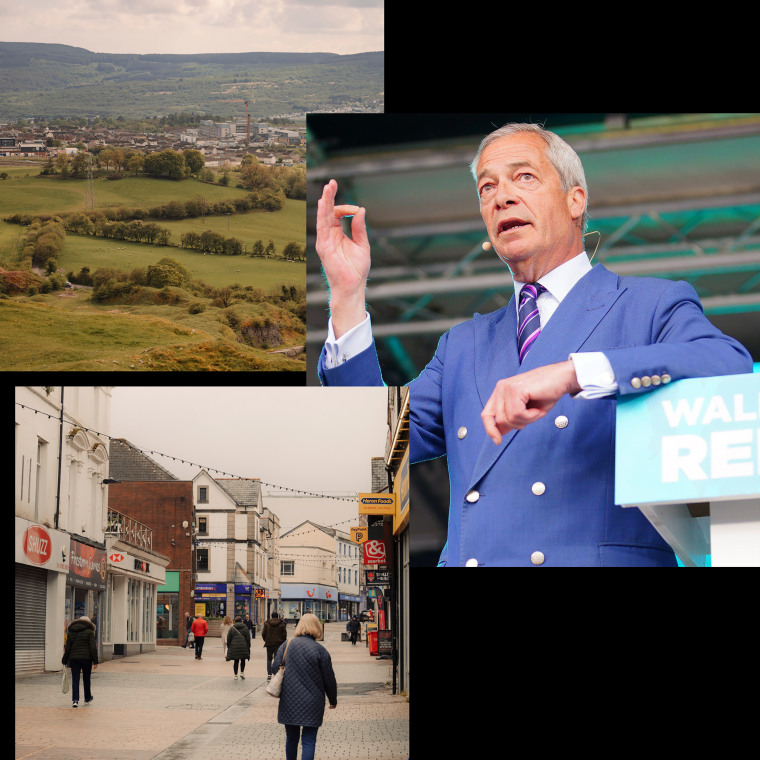
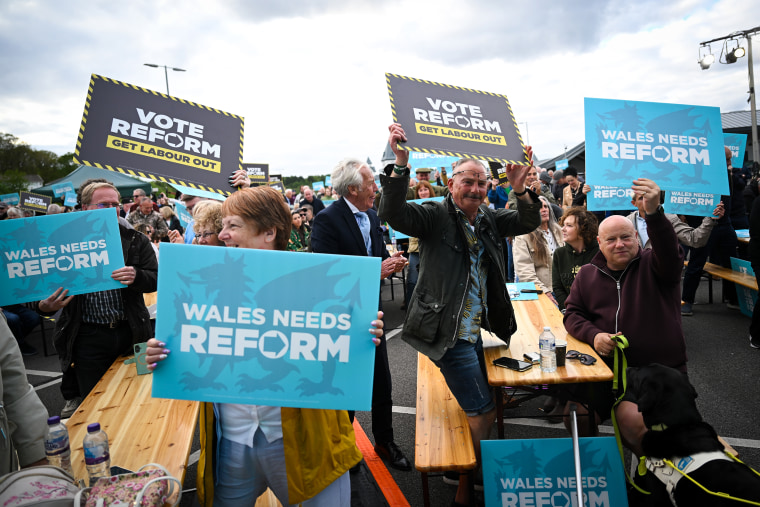
MERTHYR TYDFIL, Wales — A clamor of stage smoke, campaign placards and pounding music. It’s the kind of rally energy that once greeted politicians from Britain’s left-wing Labour Party here in its ancestral heartlands, where it dominated politics for more than a century.
Instead, out stepped the face of the mainstreamed hard right, grinning in light blue pants and a sports jacket.
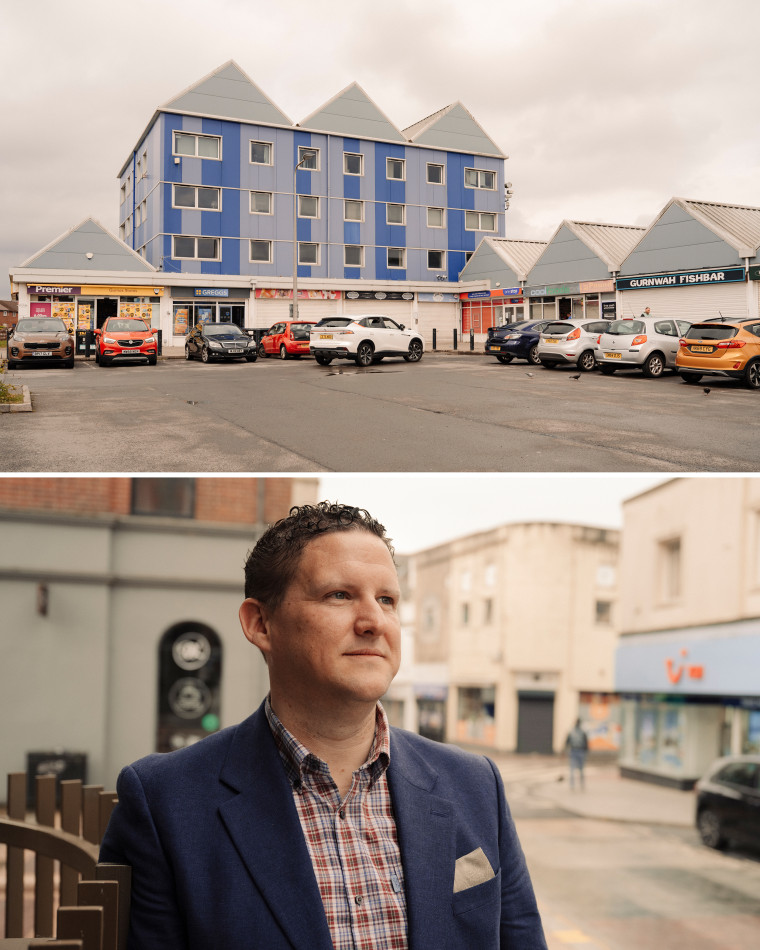
“Let’s start a political revolution here in Merthyr!” Nigel Farage told the crowd Tuesday night, standing on a pop-up stage in a shopping mall parking lot, beneath gray skies and green hills.
“Let’s make history!” he bellowed, later describing an “invasion” of undocumented immigrants and drawing one shout of “Get them out!” from the crowd.
This friend of President Donald Trump’s and leader of Reform UK told the 700-strong crowd that he wanted to see Labour “smashed to smithereens” in elections held across Britain on Thursday.
Polls suggest Farage may get his wish.
Reform is projected to make sweeping gains in thousands of local municipal races in England, as well as in elections for the devolved parliaments in Wales and Scotland — regional legislatures with powers over health, education and transport. The result will not only serve as a midterm-style barometer for historically unpopular Labour Prime Minister Keir Starmer. It will also gauge the true appeal of Farage’s platform: a hard-right, anti-immigration, anti-green, tax-cutting agenda, with promises to reindustrialize Britain and revive its struggling high streets.
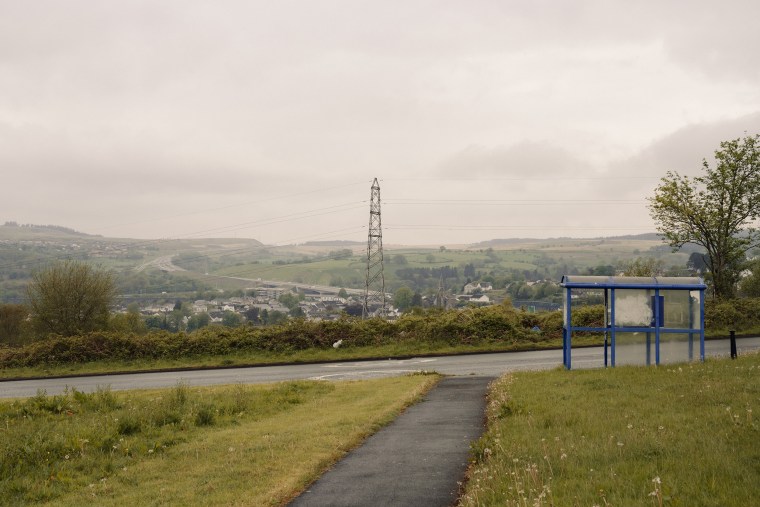
The South Wales Valleys remain one of the most economically deprived areas in Britain. In some parts, barely 7 in 10 working-age adults are employed, and around a quarter are economically inactive. That makes them fertile ground for Reform’s argument that voters have been failed by the political mainstream and helps explain why Tuesday was Farage’s 10th visit in 12 months.

He had the crowd in his palm, getting them to finish his sentence, “Vote Reform!” — to which they responded, “Get Starmer out!” He cracked jokes, mixing ribald humor with diatribes against wind turbines and mocking Starmer before vowing to slash hospital waiting times.
This reception would have once been unthinkable in these parts: The old joke in Wales was that Labour could pin a red rosette on a donkey and still win.
But ahead of this week’s vote for the Welsh Parliament, the Senedd, a Monday projection by the think tank More in Common put the leftist pro-Welsh independence Plaid Cymru at 30%, Reform at 27% and Labour at 16%. For Labour, that’s barely ahead of a Conservative Party still toxic in many Welsh communities because of Prime Minister Margaret Thatcher’s 1980s coal mine closures.
Labour activists on the doorstep are “fighting this idea of, ‘We’ll give someone else a go,’” said Carwyn Jones, a giant of Welsh politics who served as Labour first minister from 2009 to 2018. “It’s very difficult.”
Leighton Andrews, who served as Jones’ education minister, described the party’s mood as “gloomy and resigned.”
Welsh Labour did not respond to a request to interview one of its candidates for this story.
Governing coalitions are essential here, given Wales' proportional voting system. If Plaid Cymru places first, it will have a strong chance of leading a government here for the first time, possibly with support from other parties. Labour has previously relied on support from Plaid to govern and could be called on in defeat to return the favor.
Meanwhile, most parties have already vowed not to work with Reform, making it unlikely it will enter power. But for a party founded only in 2018, becoming the largest or second-largest seat-winner would be seismic.
“All the signs are that this is going to be a political revolution in Wales,” said Laura McAllister, a politics professor at Cardiff University.
As Welsh as this story is, many elements will be familiar across the West.
“What we’re seeing in Wales is really a reflection of other areas of the country and, it could be argued, many other different countries across the world,” said Joe Twyman, one of the U.K.’s top pollsters and co-founder of Deltapoll, a public opinion consultancy.
Decades of “dissatisfaction, distrust and disapproval” were amplified by the financial crisis, “supercharged by Covid” and worsened by inflation-spiking wars in Ukraine and Iran, he said, fomenting a worldwide anger against incumbent leaders.
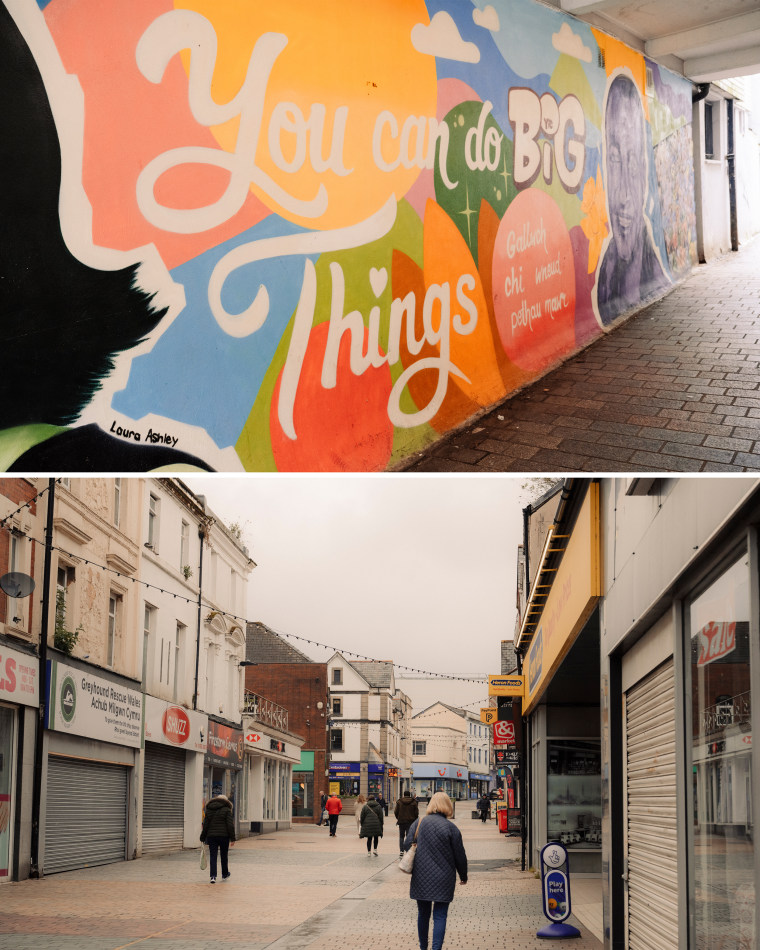
Mines, choirs and rugby
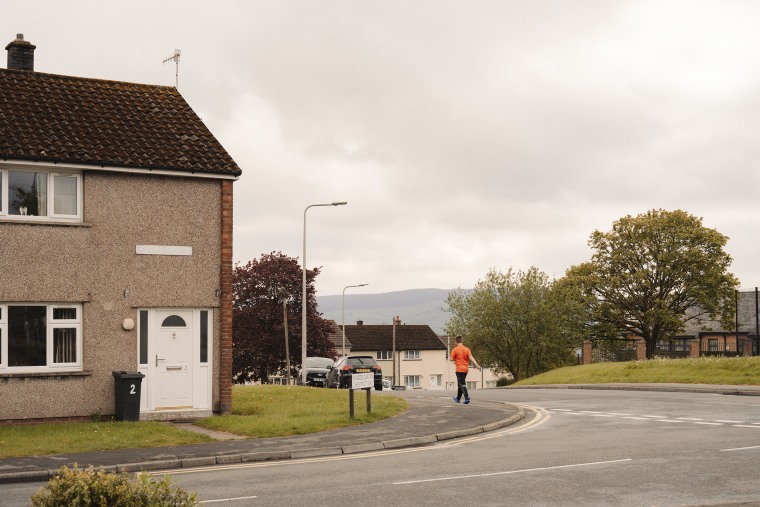
For generations, two colors defined life here in the South Wales Valleys: the black coal beneath the hills that helped power the industrial world and the deep Labour red that dominated politics above it. The party was woven into daily life in these hilltop communities, as Welsh as the mines and ironworks, the chapels and libraries, the male-voice choirs and rugby.
Declining demand and cheap imports meant most mines had closed by the 1990s, devastating an economy built around them. Some miners moved into nearby factories run by the likes of Hoover, Burberry, Ford and Panasonic. Most of those have now closed, too.
The service industry and public sector still provide jobs, and there has been hundreds of millions of pounds’ worth of redevelopment. But nothing has replaced the void left by mining, which, though dangerous and poorly paid, galvanized those who descended into the earth with working-class pride and purpose.
With the mines went many of the working men’s clubs that forged these communities. Today, the same streets are dotted with vape stores and nail bars.
“When I was a kid, it was a nice area to live in, but now the town has gone downhill,” said Sam Lewis, 37, a mother of two who works as a carer for her own mother in Merthyr. Her family all used to vote Labour. Asked who she will support this week, she barely let the question finish.
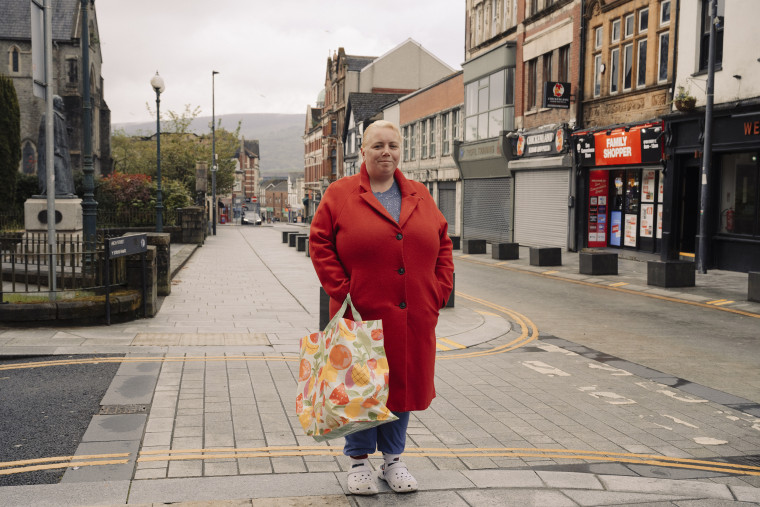
“Reform,” she cut in. “It’s our last hope, really.” Lewis said she is less motivated by policies and more by Farage’s “promise of change” and his frequent visits to the area. “He chats to people and gets to know the community.”
Not all of Reform’s support stems from frustrations of urban decay.
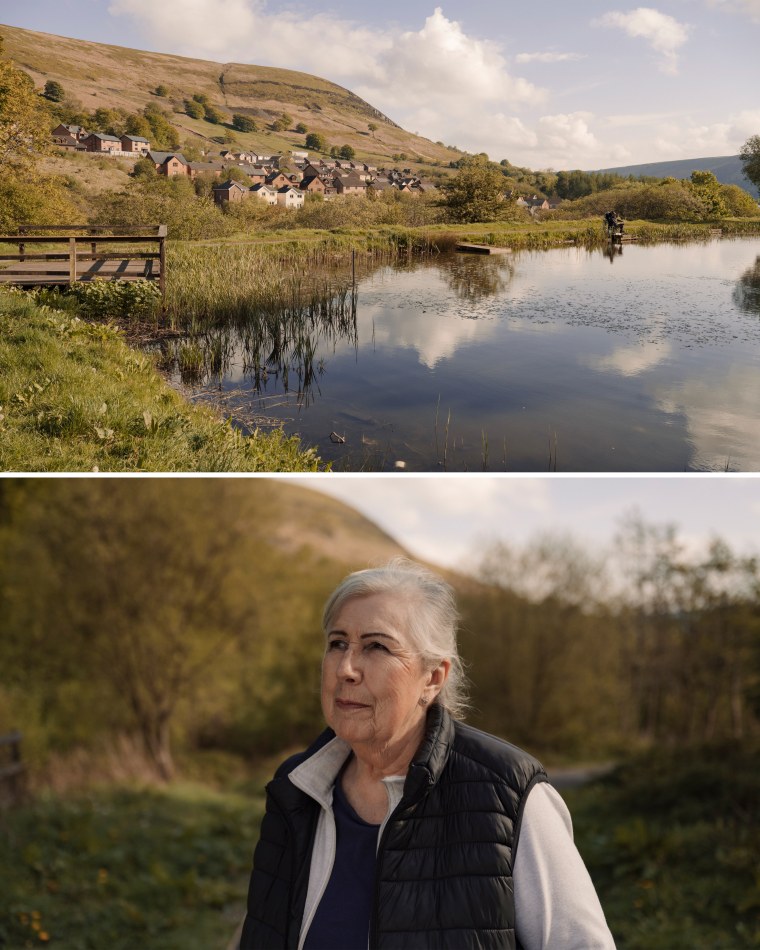
Some 20 minutes away, three valleys over from Merthyr, Cwmcelyn Pond once fed water to the mines but is now a verdant nature reserve populated by ducklings, carp and anglers. It’s also home to Janis Casault, 73, a former Conservative voter who has become a Farage devotee.
“I never used to like Nigel Farage,” said Casault, a retiree in sunglasses and a body warmer. “I never, ever had a racist bone in my body, and that is the case now,” she said, a reference to accusations of bigotry aimed at Farage’s movement.
Her view changed watching him in political debates. “That guy used to take so many flipping knocks,” she said. “I thought, ‘Ah, that’s a guy with staying power.’”
This week, Reform caused uproar by threatening to open immigration detention centers in areas that elect Green Party lawmakers.
Farage himself has faced allegations of making regular Holocaust-related jokes while at one of London’s elite private schools more than 40 years ago. He has denied making the statements.
Asked about the accusations against his leader, Reform candidate Jason O’Connell said that “people have been throwing mud at Nigel for decades.” The party has been “called all the names: racist, fascist, but it couldn’t be further from the truth,” he added.
Another barrier may be that pollsters and analysts say there could be a ceiling to Reform’s rise. While it peaked at 34% nationally in polls last fall, it has since fallen to the mid-high 20s. And though 27% of people have a “very” or “somewhat” favorable view of Farage himself, 54% have a “very unfavorable” opinion, a YouGov survey found in April.
Ultimately, Wales’ revolt against Labour is not simply a march to Reform.
Analysts say the country appears to be splitting into two anti-Labour blocs: voters with a stronger sense of Welsh identity, many of whom are moving toward Plaid Cymru, and more British-identifying voters, including former Conservatives, who are shifting to Reform.
That leaves Labour squeezed from both sides.
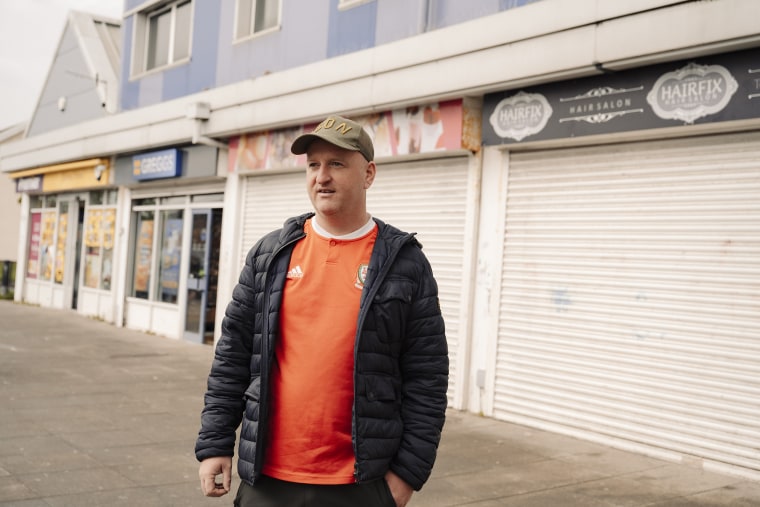
“It’s not that people have left the Labour Party; it’s the Labour Party has left them,” said Delyth Jewell, a Plaid Cymru lawmaker defending her seat Thursday. “They just don’t really recognize Labour as the party of socialist values anymore.”
Such is the history of Wales’ leftist past that on Tuesday even Farage invoked the memory of Keir Hardie, the founder of the Labour Party who was elected lawmaker for Merthyr in 1900.
Labour “was in those days patriotic,” Farage said at the rally. It “stood for people who got up in the morning, and went to work, and paid their taxes, and obeyed the law and looked after their family.”
“And what is it now?” he asked. To which an audience member shouted, “The party of illegal immigrants!”