
ODATE, Japan — Before students can come out to play at his school, Yoji Hikage has to give the all clear.
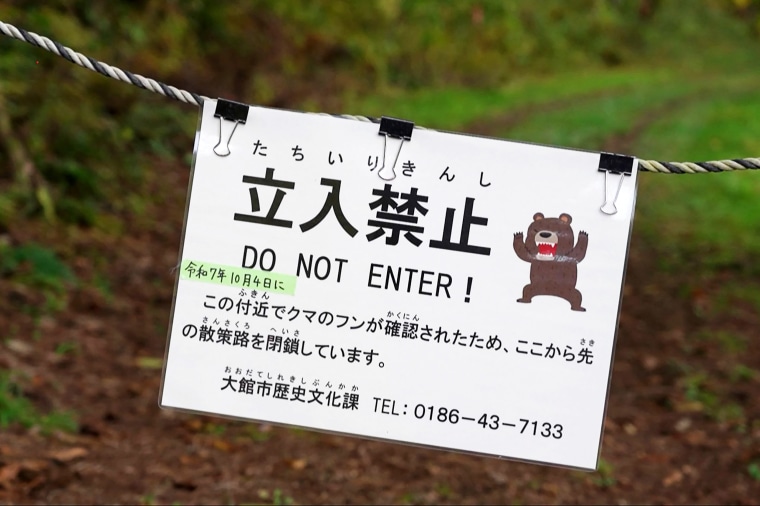
Hikage, a kindergarten principal in Japan’s Akita prefecture, has been on patrol every day since bears were spotted nearby in October, setting off firecrackers and playing human voices with a radio to scare them away.
The bear sightings in places such as Odate, a city of almost 70,000 people, are “extremely abnormal,” said Hikage, who said bears had never been seen in the three generations his family has lived in the area.
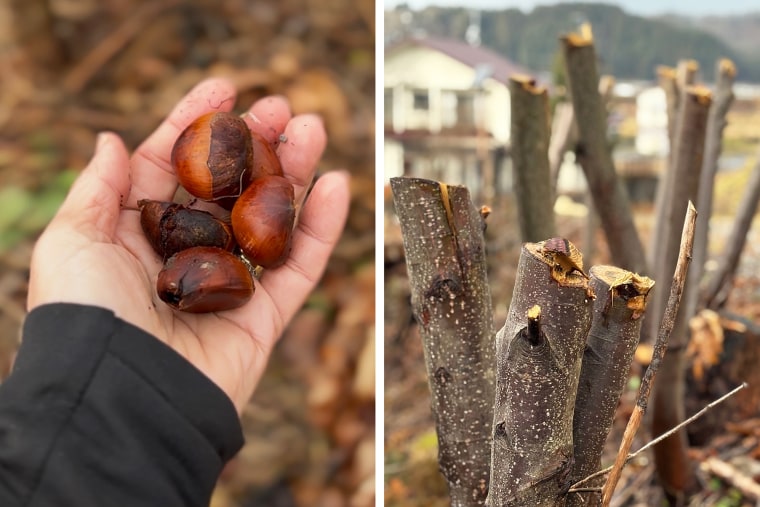
To protect his students, Hikage has also chopped down fruit and chestnut trees that might attract hungry bears, a decision he called “painful.”
The trees were “here since I was little and I have lots of memories,” he said. “But first and foremost: safety first.”
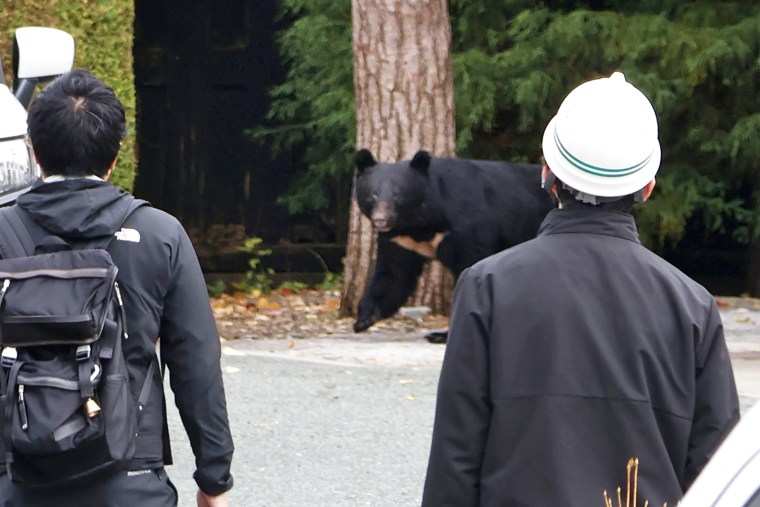
Residents in Japan’s scenic and mountainous north, which includes Akita, are on edge after an unprecedented rise in bear attacks, many of which have resulted in deaths or serious injuries. Bears have broken into supermarkets and hotels and raided orchards, attacking vehicles and people out of the blue.
As of the end of November, 235 bear attacks had killed 13 people across Japan this year, both the highest figures since records began in 2006, according to preliminary data from the environment ministry. Many of the victims are older and live in rural areas, and were attacked while hiking or picking mushrooms.
The threat of bears even prompted the U.S. Embassy to issue a rare wildlife alert last month for Americans living or traveling in Japan.
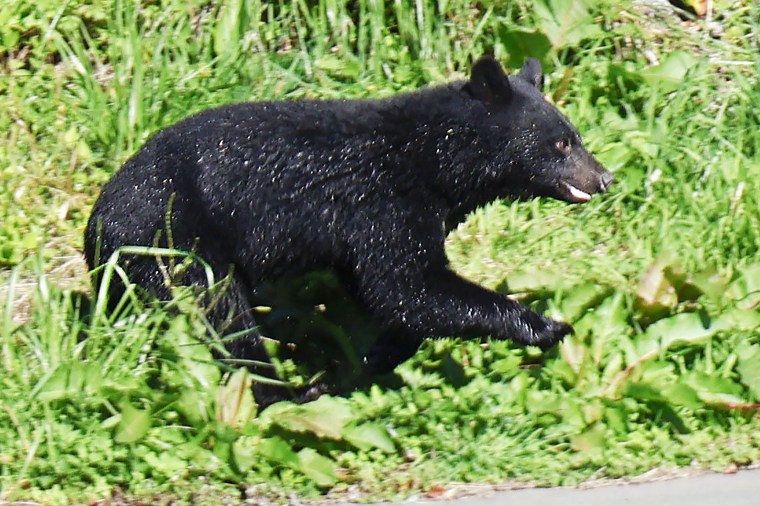
Experts say Japan’s bear population — which includes at least 12,000 brown bears in Hokkaido, the northernmost of Japan’s main islands — has been growing even as the rural population is aging and shrinking, leaving the bears with more room to roam and fewer people to scare them off.
A shortage of tree nuts and other staples of bears’ diet — a shortage driven partly by climate change — is also drawing the animals out of the forests and mountains where they live and into residential areas.
Most of the attacks have been by smaller Asian black bears and have occurred in Akita prefecture, now a front line of the crisis.

Two years ago Keiji Minatoya, a baker, was attacked by a bear in the garage behind his confectionery shop in the town of Kita-Akita.
The attack, which lasted about two minutes, left his face covered in blood and his forehead cracked open, exposing his skull. The bear had bitten him multiple times and clawed his back.
“Also, my earlobe was bitten off, and it still hurts,” said Minatoya, 68. “So even if I don’t want to remember the attack, I’m always reminded of it, because I feel the pain every day.”
Minatoya has not reopened his shop since the attack because he says his wife is too fearful. Instead, he delivers his baked goods to stores in the town to sell.

Since Minatoya’s experience, attacks have only increased. Hunters, riot police and even the military have been deployed, using drones that bark like dogs, traps laced with honey and even mechanical wolves to keep the bears at bay.
Both brown and black bears were added to a government list of “controlled animals” last year, and recent emergency rule changes allow them to be shot by police officers, though not military personnel.
As a safety precaution, some residents wear bear bells or carry alarms and whistles when they go out. Others opt to stay indoors.
Spiritual bear hunters, known locally as Matagi, are trying to help, but they’re “totally outnumbered” by the bears, said Hideaki Saito, of the Matagi Museum in the Akita town of Ani, which highlights traditional hunting culture in northern Japan.
“I think they’re making a contribution, but overall, the hunting association membership right now is too small,” Saito said. “Also the average age of a Matagi is quite high and there aren’t many young people who decide to become a Matagi, or become members of the hunting association.”
Saito said that, although he believes it’s necessary to control the bear population, coexistence is not just about killing.
“We all benefit from bears. They are gifts from the gods,” he said.
Naoi Sato, a mother of two boys, ages 8 and 3, helped children gain access to indoor facilities where they can stay active safely amid the bear sightings.
“Playing outside is essential for children’s development, and I think it’s not good to stop this because of these bears,” she said.
But “they can also exercise their bodies indoors, and that’s what’s important,” she said.

Her family still loves living in Akita, which Sato says is a great place to raise children. But she also knows that, at least for now, the bears don’t seem to be going anywhere.
“We don’t want to stop the kids’ development,” she said. “That’s why we just continue to try to have a normal life.”
Janis Mackey Frayer and Arata Yamamoto reported from Odate and Peter Guo from Hong Kong.

