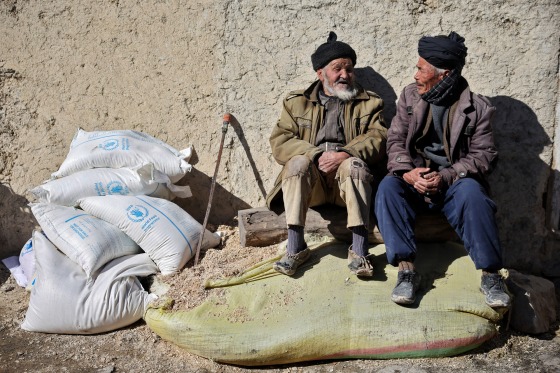
Afghanistan will roll out a $100 million food security project, the United Nations said on Thursday, as it contends with a worsening hunger crisis driven by mass deportations of Afghans from neighbouring states, foreign aid cuts and economic crisis.
Afghanistan's humanitarian situation is deteriorating sharply, with millions pushed into hunger by the loss of remittances, limited job opportunities and a sharp reduction in international assistance.
The two-year program, backed by the United Nations and Asian Development Bank, will support more than 151,000 families, including Afghan returnees from Iran and Pakistan as well as people affected by recent earthquakes and floods.
The director of the U.N.'s Food and Agriculture Organization, Qu Dongyu, said the project would address immediate food security needs but also aim to close Afghanistan's food production gap and create space for private sector recovery.
The FAO warned in a report that 17.4 million people are projected to face acute food insecurity in 2026, with 4.7 million affected by acute malnutrition.
More than 2.5 million Afghans have been expelled from Iran and Pakistan over the past year, according to the World Food Program, swelling Afghanistan’s population by roughly a tenth and cutting off remittance income for many families.
Aid agencies say winter conditions, scarce jobs and funding shortfalls have further strained households, with the WFP warning that last year marked the biggest surge in malnutrition ever recorded in Afghanistan and that conditions are likely to worsen in 2026.
