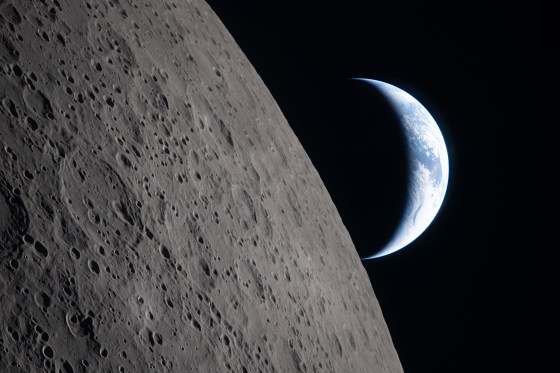
NASA over the weekend released thousands more photos from last month’s Artemis II mission around the moon.
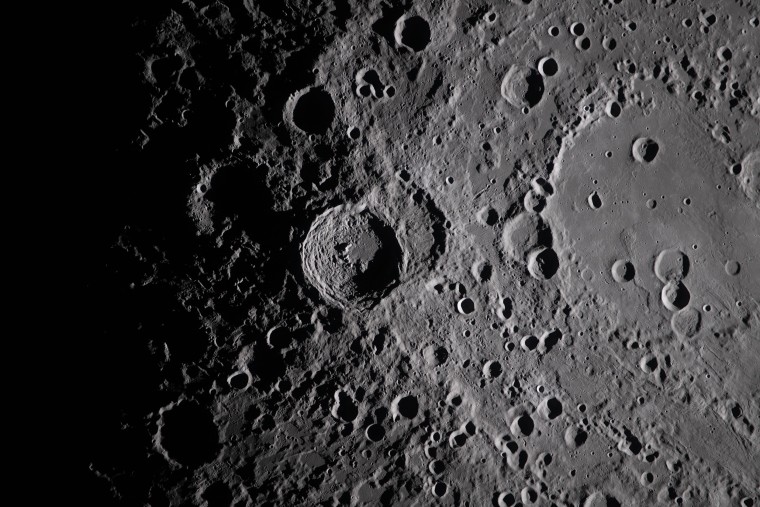
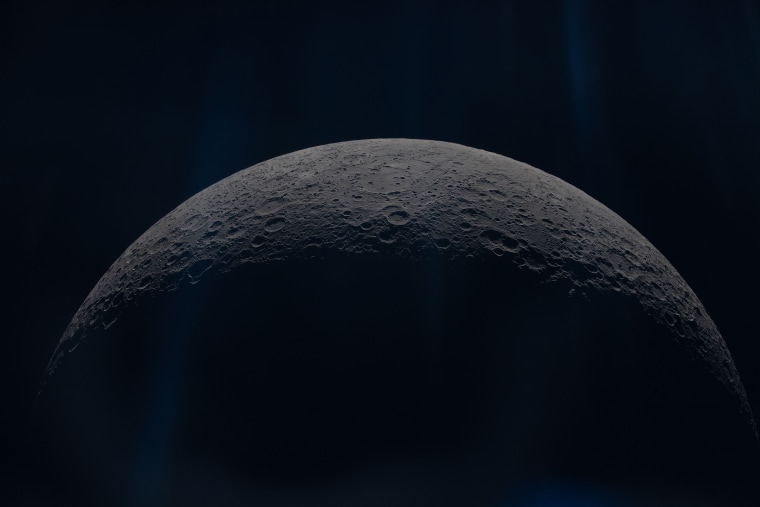
The collection of more than 12,000 images includes new views and up-close shots not previously seen from the flight. Among the photos are dramatic perspectives of the moon’s rugged, pockmarked surface, showing its countless craters, along with portraits of Earth winking in the distance during the astronauts’ lunar flyby.
Here is a small sampling from the newly released trove of images.
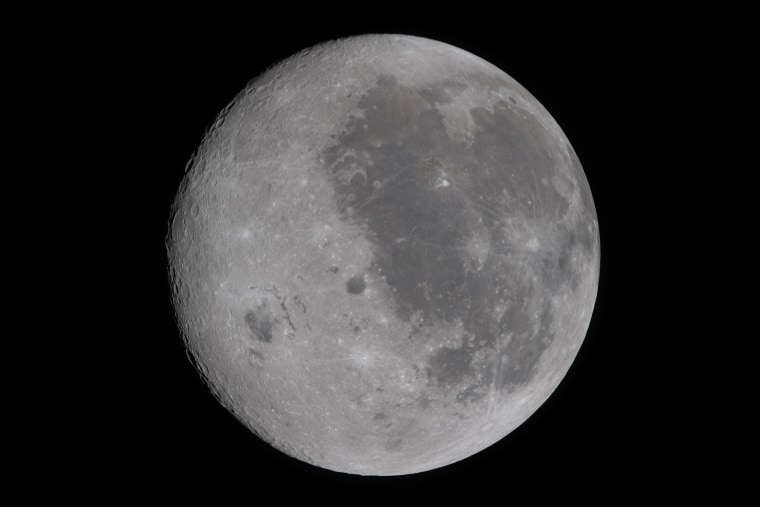
The Artemis II crew — NASA astronauts Reid Wiseman, Christina Koch and Victor Glover and Canadian astronaut Jeremy Hansen — launched April 1 on a 10-day mission around Earth and the moon. It was NASA’s first moonbound mission in more than 50 years and the first time NASA’s Space Launch System rocket and Orion capsule carried human passengers.
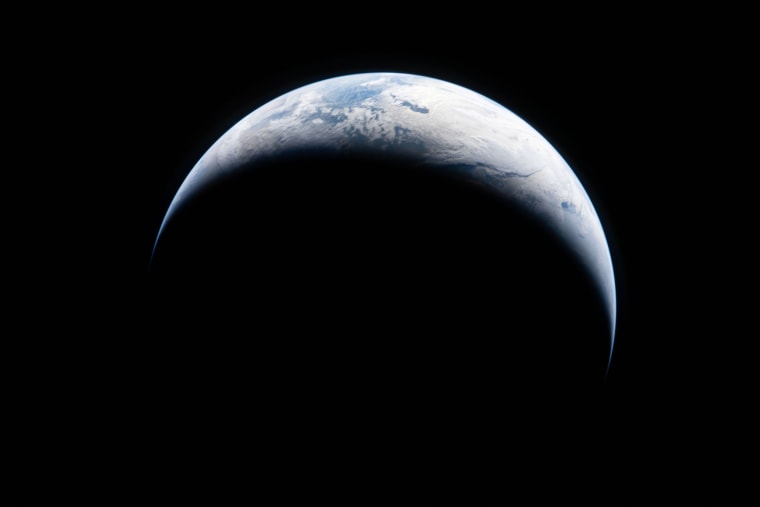
The mission took the astronauts farther from Earth than any humans had traveled before. During their lunar flyby on April 6, Wiseman, Koch, Glover and Hansen swung around the far side of the moon, seeing parts of the surface that had never before been seen by human eyes. The far side is not visible from Earth because it permanently faces away from our planet.
During the roughly seven-hour flyby, the astronauts made detailed observations of the jagged topography along the moon’s terminator, the dividing line between its illuminated side and the side cloaked in darkness.
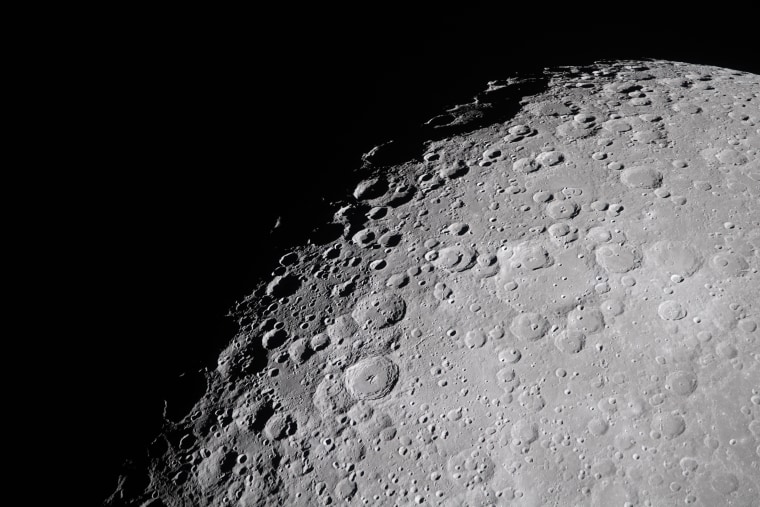

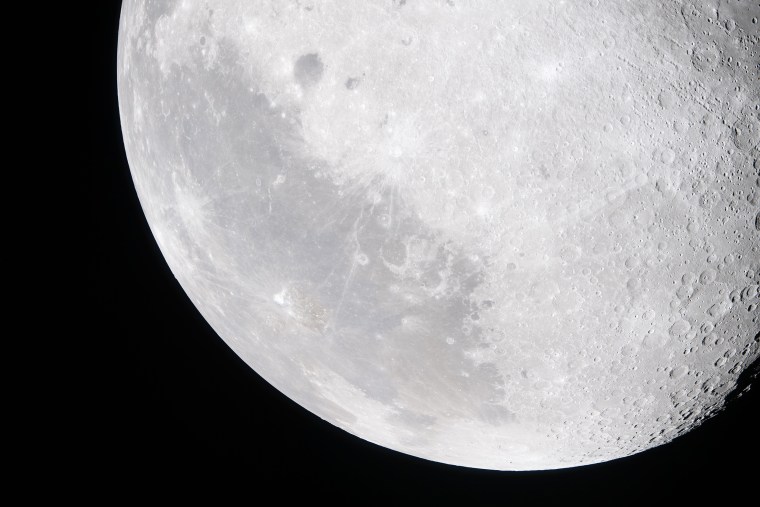
They also studied craters that formed when large objects smacked into the moon billions of years ago.
NASA has said the Artemis II images of craters, ridges and ancient lava flows on the moon’s surface could help scientists better understand its topography and how it formed.
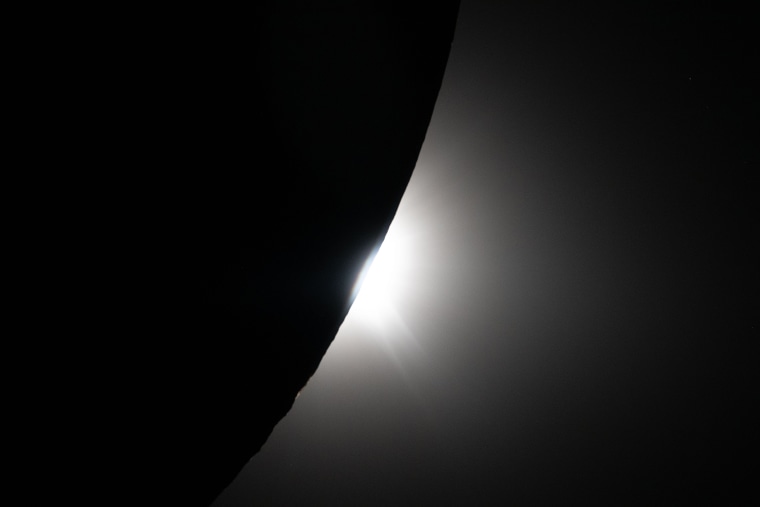
The astronauts also became the first people to see a solar eclipse from the moon. Their photos showed a darkened moon as the sun slipped behind it, with only the sun’s glowing outer atmosphere visible around the edges.
The astronauts returned to Earth on April 10, splashing down in the Pacific Ocean off San Diego.
The Artemis II mission was designed to test NASA’s Space Launch System rocket and Orion capsule ahead of a planned moon landing in 2028. NASA aims to launch the next mission in its Artemis program, Artemis III, next year to test additional technologies, including at least one new vehicle, needed to make that lunar landing happen.
Eventually, NASA hopes to establish a long-term presence on the moon by building a base on the surface.
