Editorial Standards

Latest News Today maintains rigorous editorial standards. Our team verifies information from trusted sources and provides context to help readers understand complex stories.

Last Updated: Sunday, May 17, 2026 at 04:37 PM
Category: Science

Editor's Note

Latest News Today provides comprehensive coverage and analysis of breaking news stories. This article is part of our ongoing coverage of first orca calf born endangered pod 2012 presumed dead n230966, bringing you verified information from trusted sources with added context and expert perspective.

Why This Matters: Understanding the full context of this story helps readers make informed decisions and stay updated on developments that impact our community.

First Orca Calf Born to Endangered Pod Since 2012 Is Presumed Dead

A mother orca has been seen swimming for three days without her calf by her side, a sure sign the baby is dead, researchers say.
Image: Baby Orca
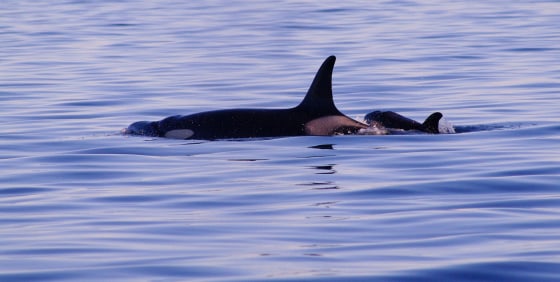
An orca calf, seen with its mother near Washington state's San Juan Islands in September shortly after its birth, is now believed to be dead.Heather MacIntyre / Legacy Charters

SEATTLE - The first calf born in two years to an endangered killer whale population in the Pacific Northwest is missing and presumed dead just weeks after its birth, experts said Tuesday. The mother orca was seen for three days in a row swimming in Washington state waters without her calf at her side, a sign it is dead, said Howard Garrett, co-director of the Washington-based Orca Network. "For the first two years, a calf is glued to its mother's side. This calf hasn't been seen with its mother, and that's conclusive that it died," Garrett said.

The orca calf was born in early September, the first since 2012, and soon photographed by a whale watching company. There are 78 whales in the group known as the southern resident orcas, down from 98 in 1995 and historic highs in the 19th century of over 200, Garrett said. It's the only population declared endangered by the U.S. Fish & Wildlife Service. Experts had given the baby orca a 50 percent to 65 percent chance of survival. Threats to the orcas include pollution and overfishing of their major food source, salmon, near the San Juan Islands in the Salish Sea.

IN-DEPTH

SOCIAL

— Reuters