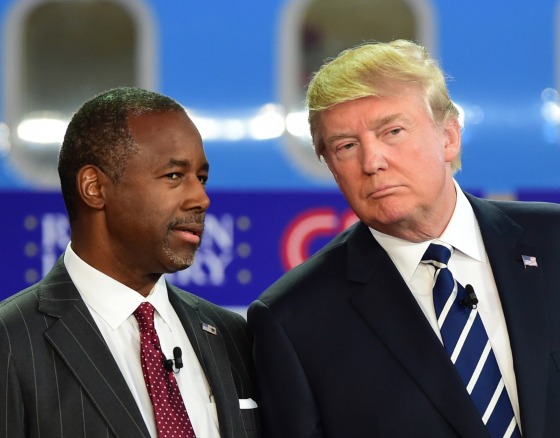
Jobs and the economy will be the focus of Wednesday night's "Your Money, Your Vote" Republican presidential debate hosted by CNBC. The candidates will likely be quizzed about their positions on a variety of issues, from taxes to trade.
The large field of GOP candidates have divergent views on some critical issues — and some candidates have yet to take positions on some of them — making this third GOP debate a critical forum where differences are likely to be on display. Here are some issues to watch:
Entitlements
Social Security, Medicare and Medicaid are always issues of contention in political campaigns. Because seniors, recipients of Medicare and Social Security, made up 18 percent of the vote in 2012, politicians, even the most fiscally conservative are reluctant to propose bold changes to the programs.
Carson has since walked back that position. On Fox News Sunday Carson said that was his “old plan” and that HSA’s would be an “alternative.”
Even though Donald Trump once endorsed Carson's idea on ABC’s “This Week,” saying the HSA proposal is “a very good idea and it’s an idea whose probably time has come,” just a few days later on MSNBC’s “Morning Joe,” Trump attacked Carson for it.
“I heard that over the weekend. He wants to abolish Medicare. And I think, you know, abolishing Medicare, I don't think you'll get away with that one. It's actually a program that's worked. It's a program that some people love, actually,” Trump said.
Meanwhile, Jeb Bush released his entitlement reform proposal Tuesday. His plan for Medicare is to “lower” the subsidies that “wealthier” seniors receive. New Jersey Governor Chris Christie has the same idea as Bush.
As for Social Security, most of the candidates endorsed raising the retirement age and reducing payments to wealthier seniors.
Taxes
Several candidates have released their tax plans and they all reduce taxes, especially for the wealthy.
Three candidates, Carson, Sen. Rand Paul and Sen. Ted Cruz propose a flat tax. And that's pretty much the extent of Cruz's and Carson's plans.
The others — Jeb Bush, Marco Rubio, Chris Christie, Trump and John Kasich — unveiled more standard tax plans that reduce income tax rates, reduce the number of tax brackets from seven to three or four, reduce itemized deductions and reduce the corporate tax rate.
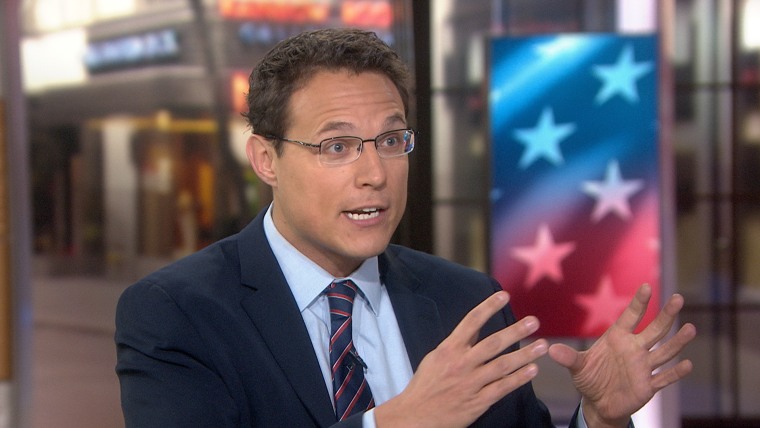
The conservative Tax Foundation priced out the plans. The most expensive is Trumps, which would add nearly $12 trillion over ten years. The most cost effective is Paul's, which would cost $2 trillion over ten years.
Carly Fiorina has yet to release a detailed plan but said on her Facebook page that "need to go from a 70,000 page tax code to about a three-page tax code."
Trade
Most of the Republican field are largely supportive of trade deals, save Donald Trump, however. Trump has called NAFTA a “disaster,” and he echoed a common Democratic refrain that trade needs to be “fair.”
“Scott, we need fair trade. Not free trade,” Trump told CBS News' Scott Pelley on “60 Minutes.”
Trump often rails against Mexico and China, insisting that they are benefiting from unfair trade practices.
