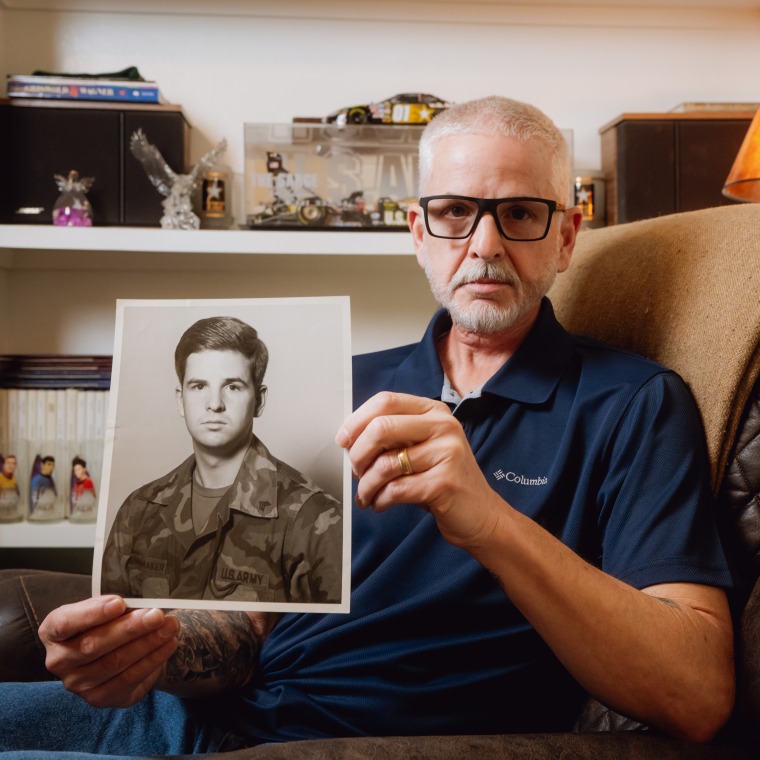
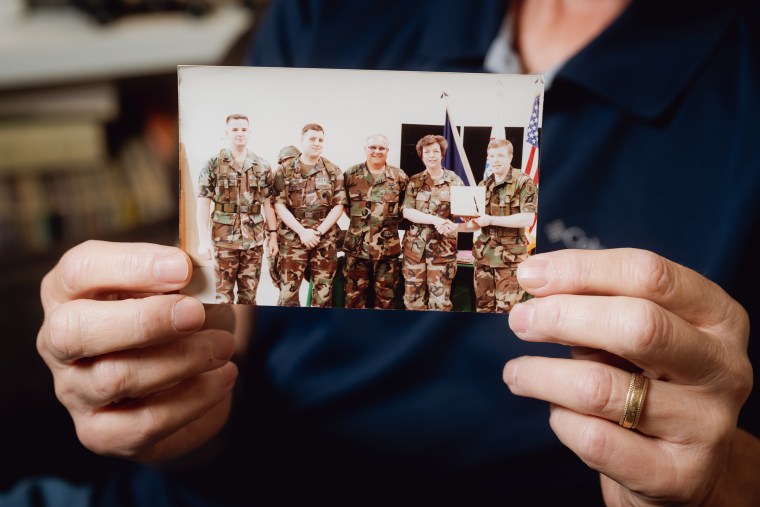
For more than a decade, Guy Shoemaker pitched military service to potential new recruits with one key promise: healthcare for life.
“You’re going to have medical and dental for the rest of your life,” said Shoemaker, a retired Army sergeant first class and recruiter who spent a year in Afghanistan. “I used that phrase too many times.”
That promise held up when Shoemaker, 64, of Fort Worth, Texas, was diagnosed with throat cancer in 2021. TRICARE — the military’s healthcare program for active service members, retirees and their families — covered the chemotherapy, radiation and years of follow-up care that helped him eat and speak again.
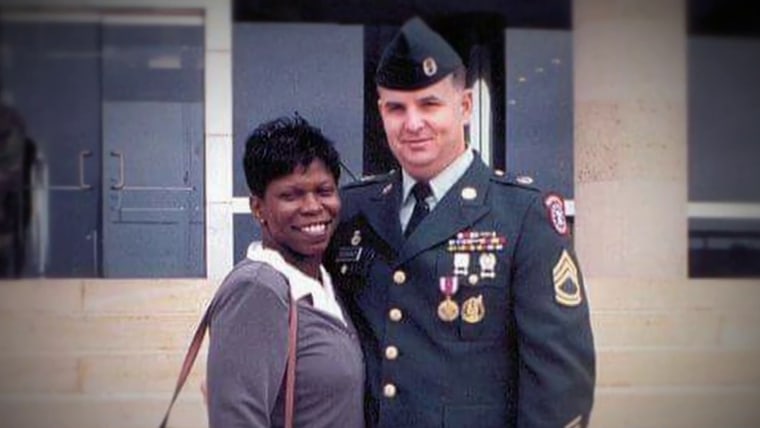
Then, last year, TRICARE moved his coverage to a new contractor called TriWest Healthcare Alliance, a change that he said made him lose faith in the system — and question his longtime recruitment pitch.
“I mean, you go from flawless, I’m being taken care of, to just getting dumped,” he said.
Suddenly, tens of thousands of dollars in previously approved claims were overturned and money that had been paid to providers was clawed back. Shoemaker stopped going in for his regular therapy appointments, no longer able to pay.
Shoemaker’s case is one of a flood of complaints tied to TRICARE’s transition to TriWest, which is now responsible for administering military health benefits in more than half the country under a nine-year contract worth about $65 billion.
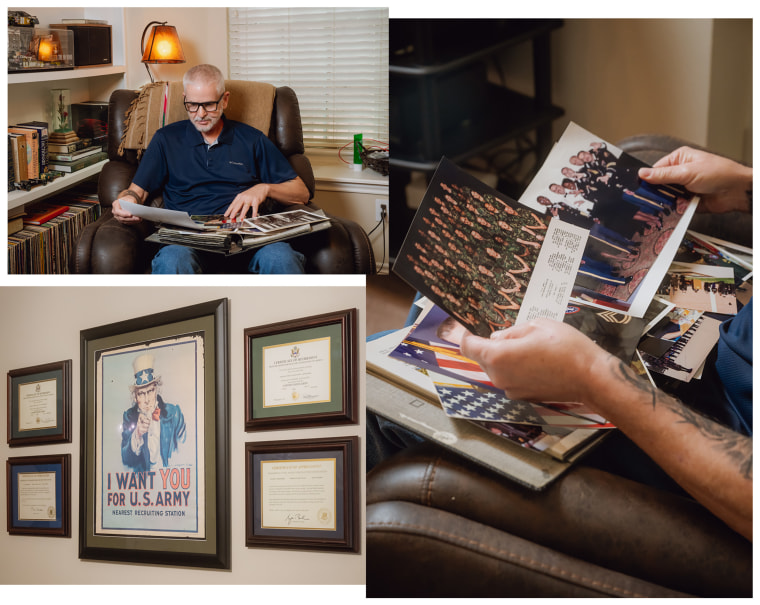
Shoemaker said TriWest later told him the denials stemmed from an error that incorrectly listed him as being insured by UnitedHealthcare. He did have a plan with United, but it was for vision insurance — his medical coverage was from TriWest.
He has filed piles of paperwork and made dozens of calls to TriWest: Could someone please correct his file?
“I try to be nice when I think what somebody is doing is wrong,” Shoemaker said. “But the more I talk with them over the phone, they’re definitely not all on the same page.”
A TriWest spokesperson said in an emailed statement, “Mr. Shoemaker has faced undue challenges during his treatment.” The company said all of his original claims have been reprocessed and paid correctly.
Last fall, without his speech therapy sessions, which help him swallow and speak, his condition worsened. When he finally made it back to the speech-language pathologist in January, she told him his swallowing was putting him at risk of serious complications.
Within months of the transition to TriWest, problems were already apparent: Pregnant women and new mothers saw their care disrupted; veterans received massive bills for previously approved and paid claims; and providers went months without reimbursement. In February 2025, the Defense Health Agency, which oversees TRICARE, acknowledged that challenges had cropped up nationwide since the transition. At the time, a spokesperson said the agency was working with contractors to resolve the issues.
A year later, problems persist. NBC News spoke to 13 other TriWest beneficiaries who say their care suffered following the transition. Since then, more beneficiaries continue to contact NBC News with their stories. Services have been denied. Approvals have been overturned. And finding answers and explanations has led to repeated dead ends.
After NBC News asked TriWest about the 13 cases, it said it has assigned case managers to each of the beneficiaries to address and resolve concerns. Since then, most say their initial problems have been resolved, though many also have reported new issues, some going so far as to put off critical appointments, fearing denials they can't afford.
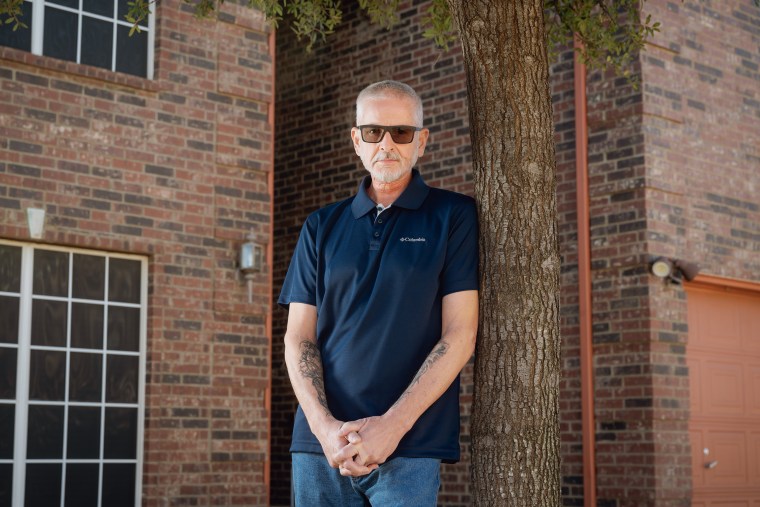
The ongoing issues raise questions about whether TriWest was prepared to take on the more than 4 million members and how the Defense Health Agency, part of the Defense Department, has worked to resolve the situation.
TRICARE’s coverage is divided into two regions, East and West. The insurer Humana covers the east of the country, and beginning in 2025 TriWest took over the West region, replacing the previously contracted provider, Health Net. The West region also grew by six states, which were switched from Humana coverage to TriWest: Arkansas, Illinois, Louisiana, Oklahoma, Texas and Wisconsin.
Two sources with direct knowledge of the transition from Health Net to TriWest said that after TriWest was awarded the $65 billion contract, the Defense Health Agency was repeatedly warned that it wasn’t ready to take on the work. The sources claimed staffing was insufficient and that staff members were poorly trained, and that an inability to handle the massive volume of patient and provider data jeopardized coverage for millions.
If you are dealing with bills that seem to be out of line or a denial of coverage, care or repairs, whether for health, home or auto, please email us at Costofdenial@nbcuni.com.
“Ten years’ worth of millions of people’s data, and every day, a bazillion transactions occur,” a source said. “You have to get the data right.”
The Defense Health Agency didn’t provide adequate oversight of the transition, the sources said. By early December 2024, a month before the handoff, it was still unclear whether TriWest would have the staffing and training in place before the takeover, one person said, adding: “You can clearly see what’s about to happen.”
The Defense Health Agency declined an interview request. In response to a detailed series of questions, it said in a statement, in part, that it conducted rigorous testing before the transition to TriWest. However, “the inability to perform testing on live operational systems contributed to some unforeseen challenges emerging after go-live,” the statement said.
“DHA holds all of its contractors to the highest standards of performance and compliance with their contractual obligations. When a contractor falls short of those obligations, DHA employs the full range of remedies available under the contract to ensure adequate performance is restored. We do not hesitate to use those tools when and where they are needed,” the statement continued. “Though we do not take any option off the table, DHA is not currently planning to recompete the West Region Managed Care Support contract early.”
A similar scenario played out more than a decade ago, when the Defense Health Agency — which was previously called the Tricare Management Activity office — oversaw an earlier transition between benefits administrators.
According to a 2014 report on the transition from the Government Accountability Office, the agency’s “inadequate guidance and insufficient oversight contributed to problems with health care delivery.” The new contractor at the time, UnitedHealth, “experienced difficulty in meeting some of its requirements early on, disrupting continuity of care for some beneficiaries and potentially resulting in unnecessary costs.”
The GAO outlined a series of steps for the Defense Health Agency to take to ensure future transitions went smoothly. By 2016, the GAO said, all of the steps had been successfully implemented.
In January, Shoemaker returned to the speech pathology clinic to take a swallow test. He had stopped going in for regular therapy sessions in August.
His cancer treatment led to scarring that thickened the muscles in his throat and made swallowing difficult. He carries a cup with him because his salivary glands have dried up, creating mucus and phlegm in his throat, and he undergoes periodic dilations to expand his throat.
If Shoemaker loses his ability to swallow, he risks aspiration — when food, liquid or stomach contents enter the airway. It can lead to pneumonia, which can be deadly.
Katrina Jensen, his speech-language pathologist, threaded a tube with a small camera on the end up Shoemaker’s nose and down the back of his throat to watch him swallow several foods with different consistencies.

Each time, Shoemaker aspirated when he swallowed. More concerning, Jensen said, was that he wasn’t even aware of it sometimes.
“The safest thing would be,” she said, “for you to get a feeding tube.”
Shoemaker looked up at the ceiling. His expression changed. He had had one for about six months at the beginning of his cancer treatment, when he was doing radiation. “Not a fan,” he said.
Jensen said he wouldn’t be at this point if his treatment hadn’t been paused for so long. “They’ve been denying care,” she said of TriWest.
“It’s frustrating,” Shoemaker said. “I don’t want to say the term or use the phrase often that says ‘I’m owed.’ But the reality of it is, I am owed. I mean, I held up my part of the bargain. Now the other side needs to hold up their part of the bargain.”
At home after the appointment, Shoemaker put on a brave face in front of his family.
“I want to keep them optimistic — Dad is Dad now, and he’s going to get better, right?” he said.
But privately, he feared the worst. The swallow test results and the feeding tube, he said, meant he was going in the wrong direction. “I guess you could always say you think you have more time,” Shoemaker said. “Maybe this is telling me I really don’t have that much time.”
Shoemaker’s problems with TriWest still aren’t resolved: He said he’s facing a new denial, once again linked to other health insurance.
“I need constant care, and I need the care to be flawless. I can’t have somebody questioning everything that I need,” he said.
If he were still an Army recruiter, he said, he’d have to change his pitch. It would no longer be guaranteed healthcare for life.
“Ever since I went in, I love the Army. And I enjoyed it. I loved recruiting. I mean, I was proud to be able to put people in and watch them ship off and get a better life,” he said. “And now all of a sudden, the thing that you love your whole life, it’s almost like they’re turning their back on you.”