Inflation surged to 3.8% in April, its highest level in nearly three years, according to data released Tuesday, as the war in Iran causes a ripple effect across the economy and energy prices surge.
As inflation continues to accelerate, it’s eating into Americans’ wages at a rapid clip. April’s inflation rate means prices are now rising faster than wages for the first time since 2023, which could aggravate the affordability crisis that has already been gripping consumers.
The pace of wage gains has been slowing over the past two years. In November, wage growth continued to rise at a pace of almost 4%. April’s jobs report, which was released Friday, showed that wage growth had slowed to 3.6%.
“Inflation is a regressive tax, which hits the ranks of those who can afford it least,” KPMG chief economist Diane Swonk said.
The overall rise in inflation was in line with what economists expected. Month over month, inflation rose 0.6%.
Core inflation, which excludes food and energy costs, also rose 0.4% from the previous month, the Bureau of Labor Statistics said. That was higher than what economists had expected.
Tuesday morning, the price of oil had risen more than 70% since the start of the year, and the average price of a gallon of gas was $4.50.
“The index for energy rose 3.8 percent in April, accounting for over forty percent of the monthly all items increase,” BLS said in a statement.
Still, energy prices may not have yet fully hit prices.
“Energy costs likely would not start to feed through to core goods prices for at least a few more months,” Citigroup said in a note to clients Monday.
The BLS also noted that other energy market-linked prices rose in the month, including airfares and apparel. Airfares alone rose 20% from a year ago.
The price of jet fuel has surged 60% since the war with Iran started, according to data from Argus. In response, a number of airlines, including Delta, United and Southwest, have increased bag fees. Some international airlines have also implemented surcharges on ticket prices.
The U.S. Postal Service introduced a “limited time price change” last month to offset rising fuel costs.
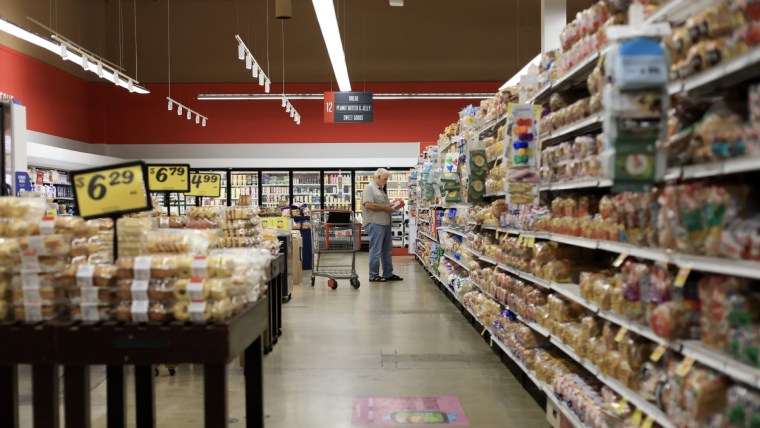
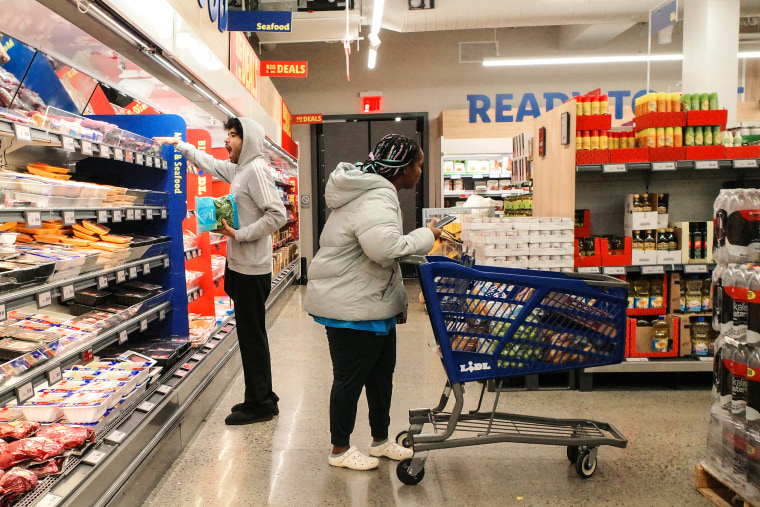
Tuesday’s report also showed that other categories, such as “food at home,” or grocery prices, jumped 0.7% in April, while services, which includes transportation, rose 0.5% from the month before.
The jump in grocery prices was the highest in nearly four years.
“The rise in diesel fuel, which touches just about everything, shows up rapidly on grocers’ shelves,” Swonk said. “The jump in diesel costs happened even faster [than gas prices], ahead of the spillover effects that shortages can have across supply chains, including fertilizer and the food supply.”
It wasn’t universally bad news for consumers though. Prices fell slightly in the new vehicles, medical care, health insurance and communications categories. Price of used vehicles were flat in the month, and prices for vehicle maintenance also ticked down.
Swonk said the inflation problem is likely to get “worse before it gets better.”
“The closure of the Strait of Hormuz is more than an energy shock; it is roiling supply chains around the world in ways that echo the disruptions we saw during the pandemic,” she wrote Tuesday.
Before the Iran war, more than 20% of the world’s energy supply traveled on oil and gas vessels through the Strait of Hormuz, off southern Iran. Since the war started, ship traffic has plunged to a trickle.
Swonk said Tuesday’s report and the Hormuz issue suggest that consumers could continue to feel the ripple of effects of the energy and supply chain disruptions “well into 2027, even if the strait were to reopen tomorrow.”