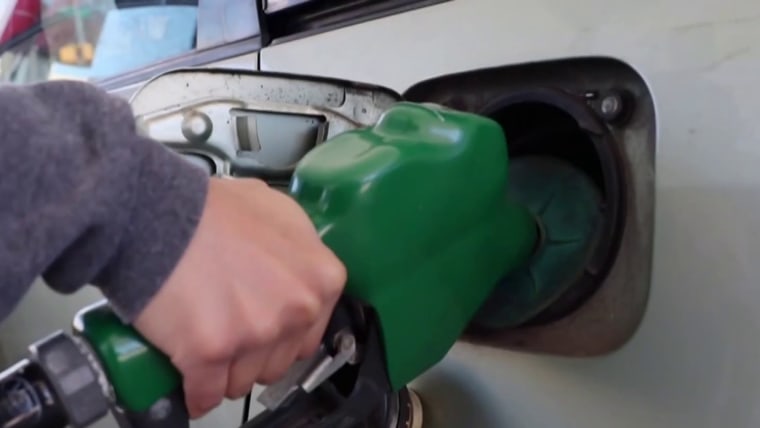
The price of oil plunged and stocks surged Wednesday after a report said the U.S. believed it was nearing a deal to end the war with Iran and eventually reopen the Strait of Hormuz.
The S&P 500 closed higher by 1.5% and the Nasdaq Composite jumped 2%, with both indexes closing at record highs.
The Russell 2000 index also added 1.5%, and the Dow Jones Industrial Average traded up by more than 610 points.
U.S. crude oil plunged by as much as 15%, to $88 per barrel, and international Brent crude oil fell as much as 11%, to $96 per barrel.
The moves moderated slightly after Trump told the New York Post in an interview that it was “too soon” to prepare to sign a peace deal. Still, U.S. crude oil closed down by 7%, at $95.08 per barrel, and Brent closed down 7.8%, at $101.27 per barrel.
Wholesale gas prices also dropped by 5%, and heating oil, a proxy for jet fuel, fell 6%. Even with Wednesday’s drops, the price of oil is still up more than 65% since the start of the year.
An end to hostilities is far from assured. Officials in Washington and Tehran were working on "a one-page memorandum of understanding to end the war and set a framework for more detailed nuclear negotiations," Axios reported Wednesday morning, citing two U.S. officials and two additional sources.
A spokesperson for Iran's Foreign Affairs Ministry told the Iranian news outlet ISNA that a U.S. proposal was under review and that Iran planned to convey its assessment of it to Pakistan, which is mediating.
Meanwhile, Iran's navy said Wednesday morning on X that “with aggressor’s threats neutralized & new protocols in place, safe, stable passage through SOH will be ensured.”
President Donald Trump, in his own post on Truth Social minutes later, said the war would end and the strait would reopen "assuming Iran agrees to give what has been agreed to, which is perhaps a big assumption." He warned Tehran to agree to his terms or "the bombing starts, and it will be, sadly, at a much higher level and intensity than it was before."
The sharp move higher in stock indexes was also supported by double-digit gains in some of the largest tech companies following a wave of positive earnings reports.
European markets also jumped, with the broad Stoxx 600 index closing higher by 2.3%.
Bond yields also dropped sharply, with the 10-year and 30-year U.S. government bond yields dropping near their lowest levels since last week.
Falling bond yields can quickly translate into relief for consumers.
As bond rates have risen during the war, so have borrowing costs for consumers taking out loans or mortgages. As of Monday afternoon, the average 30-year fixed-rate mortgage rate was 6.44%, down sharply from Sunday and its lowest level since Friday, according to Mortgage News Daily data. The rate could fall even further in the days ahead if Wednesday's market moves continue.
Shortly before the Axios report and the market reaction, the average U.S. retail gas price jumped past $4.50 per gallon for the first time since July 2022.
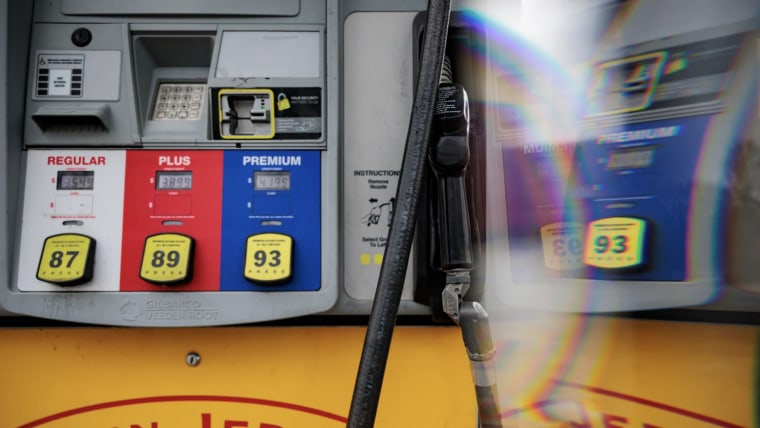
The nationwide average of $4.54 is fewer than 50 cents from its all-time high of $5.02, which it rose to in June 2022. Since the war started, gas prices have surged more than 50% for consumers.
Progress toward ending the war Wednesday was reported after Trump abruptly ended "Project Freedom," an effort to help guide stranded commercial vessels through the Strait of Hormuz.
Trump cited "great progress" in peace talks. His pause came after multiple officials held briefings earlier Tuesday and gave interviews promoting the "project."
As of late Tuesday, though, only two commercial vessels had been guided safely to freedom, both of which had U.S. military security teams aboard as Iran launched attacks against them, two U.S. officials told NBC News.
Thousands more ships remain stranded and unable to cross the critical waterway because of threats and attacks from Iran.
U.S. officials have insisted that the ceasefire was still in effect despite this week's exchange of fire in the strait.
Previous efforts to reach a deal have fallen short. Vice President JD Vance, special envoy Steve Witkoff and Trump's son-in-law Jared Kushner held in-person talks in the Pakistani capital, Islamabad, last month, but they left empty-handed.
A second round of talks was set to be held, but they were canceled before U.S. officials departed, after Trump said Iran's offer was "not good enough."
"They can call us anytime they want,” Trump said after he canceled the trip.
Since efforts to end the war began, Trump has frequently switched between publicly projecting progress and dismissing the talks as futile.
Just days before he announced "great progress" Tuesday, Trump said he doubted Iran's latest proposal would be acceptable. He has also suggested that internal divisions in Tehran have hampered talks, which Iran has denied.
The shifting narratives from Washington have sent markets on a wild ride. At one point, some major indexes had fallen more than 10% from their most recent record highs.
As of Wednesday's market close, most major indexes are now above where they were when the war started.
Nonetheless, the effective shuttering of the key trade route since the U.S.-Israeli war began has been a primary cause of the more than 40% jump in oil prices.
Normally, hundreds of ships per day would transit the Strait of Hormuz, bringing more than 20% of the world's oil supply to the global market.
On Tuesday, just one ship crossed the strait, according to S&P Global Market Intelligence. On Wednesday, none crossed it.